How to Grow Vietnamese Mint in Australia
Updated October 2026
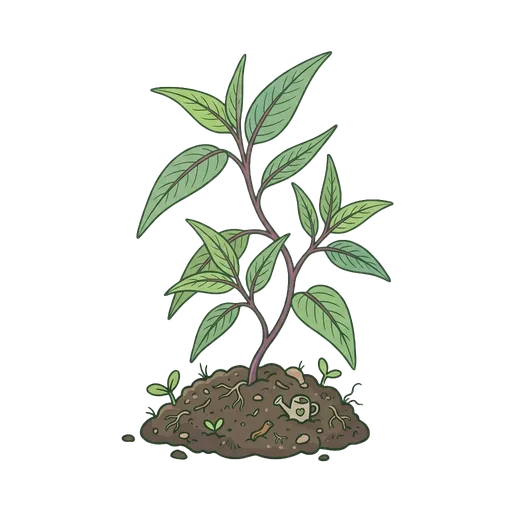
A warm-season herb crop for the home garden
Growing your own Vietnamese Mint is one of the more satisfying things you can do in an Australian backyard.
Vietnamese mint (Persicaria odorata) is also called rau răm, Vietnamese coriander or laksa leaf; these are all names for the same plant. It is not a true mint, and it thrives in summer heat where true coriander bolts, with a strong, peppery, citrusy flavour.
This guide covers when to plant Vietnamese Mint in your region, the position and soil it likes, how to sow and space it, day-to-day care, the pests and diseases to watch, and how to harvest and store your crop.
🌱 Plant profile: Vietnamese Mint, with sowing times for your region, companion plants and common pests.
When to Plant in Your Region
Vietnamese Mint is a warm-season crop, frost-tender and needs a frost-free run. In subtropical South-East Queensland it is sown in September, October, November, December, January, February, March and April. Timing shifts with your climate, so choose your region below for a local calendar.
Position and Soil
Give Vietnamese Mint part sun to light shade. It does best in free-draining soil with a pH around 6 to 7. Dig through plenty of compost before planting, and mulch to hold moisture and keep weeds down. Keep the soil moist, as it wilts quickly when dry. It grows happily in a pot of 20 cm or more, which makes it a fine choice for balconies and courtyards.
Sowing and Spacing
Vietnamese mint rarely sets seed outside the tropics, so start it from a nursery plant or a cutting. Strip the lower leaves from 10 to 15 cm stem cuttings and stand them in a glass of water, or push them into moist potting mix; roots form within a week or two in warm weather. Bunches from an Asian grocer often root this way. Space plants about 30 cm apart.
Not a true mint, peppery coriander-like flavour. Perennial in SEQ. Loves damp shade. Essential for pho and Vietnamese salads.
Care
Water consistently, roughly 6 L per plant every 2 days in warm weather, less in cool or wet spells. Feed every few weeks through the growing season with a balanced organic fertiliser, and keep mulch topped up.
Pests and Diseases
The main diseases to watch are Rust. Good spacing, watering at the base rather than over the leaves, and crop rotation prevent most problems. See our Pest and Disease Guide to identify and fix any issue.
Harvesting and Storage
Vietnamese Mint is typically ready to harvest in around 60 days (about 2 months). Pick the young tips often to keep it bushy. Stand cut stems in a glass of water in the fridge and use them within about 5 days.
In the Kitchen
Use the leaves fresh in Vietnamese pho and rice paper rolls, in banh mi and bun bowls, torn through South East Asian salads, and in laksa and other noodle soups. Add it at the end of cooking. Nutritionally: contains essential oils and antioxidants and supports digestion and appetite.
Companion Planting
Vietnamese mint grows well alongside Chilli and Eggplant, and suits a damp, part-shaded spot or a pot of its own, as it spreads. Our Companion Planting Guide has the full pairings.
Frequently Asked Questions
When should I plant Vietnamese Mint in Australia?
Vietnamese Mint is a warm-season crop. In subtropical regions like South-East Queensland it is sown in September, October, November, December, January, February, March and April. Timing changes with your climate, so use the calendar above for your region.
How long does Vietnamese Mint take to grow?
Vietnamese Mint is generally ready to harvest in around 60 days (about 2 months).
How much sun does Vietnamese Mint need?
Give it part sun to light shade for the healthiest growth and best harvest.
Is Vietnamese mint the same as Vietnamese coriander or rau răm?
Yes. Vietnamese mint, rau răm, Vietnamese coriander and laksa leaf are all names for the same plant, Persicaria odorata. It is neither a true mint nor a true coriander.
Can I grow Vietnamese mint in a pot?
Yes. It grows well in a pot of 20 cm or more with good potting mix and regular watering, and a pot keeps its spreading stems in check.
See also: Vietnamese Mint in the Plant Library
Plant profile
The vietnamese mint profile has sowing times for your region, companion plants and common pests.