Growing Chokos in Australia: How to Grow Chokos on a Trellis
Updated October 2026
A warm-season fruiting crop for the home garden
Growing your own Choko is one of the more satisfying things you can do in an Australian backyard. It is rated beginner to grow. Saves ~$2-4/week, extraordinarily productive vine, one plant feeds a neighbourhood.
This guide covers when to plant Choko in your region, the position and soil it likes, how to sow and space it, day-to-day care, the pests and diseases to watch, and how to harvest and store your crop.
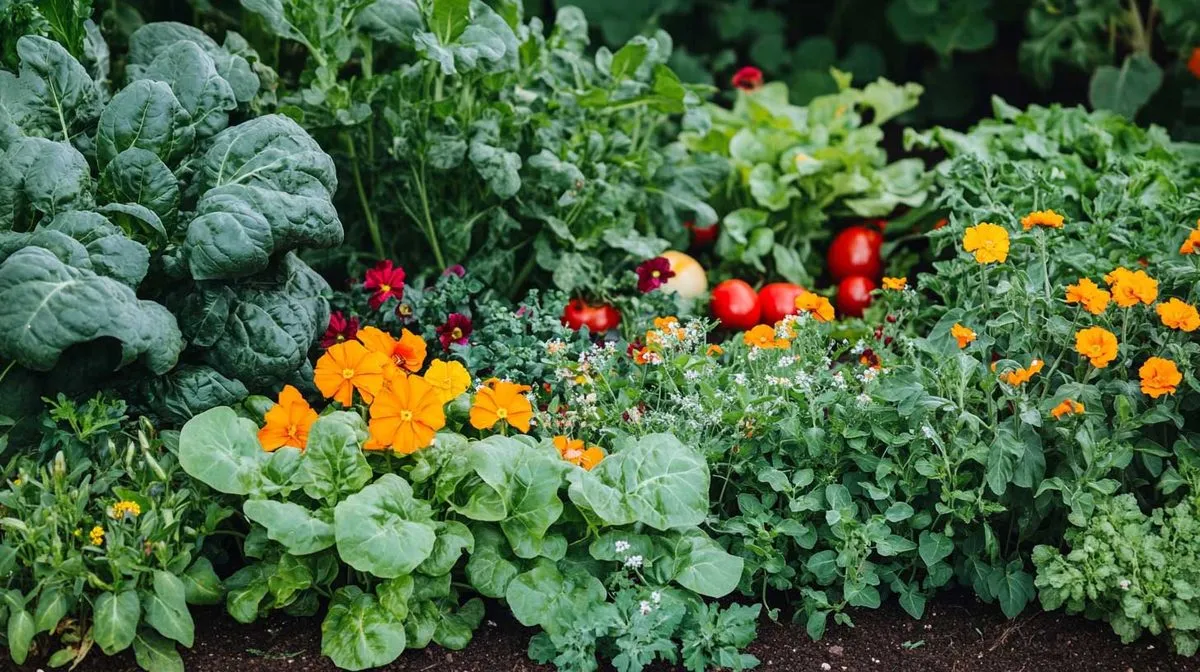
What it looks like as it grows


🌱 Plant profile: Choko, with sowing times for your region, companion plants and common pests.
When to Plant Chokos in Your Region
Choko is a warm-season crop, frost-tender and needs a frost-free run. In subtropical South-East Queensland it is sown in September, October and November. Timing shifts with your climate, so choose your region below for a local calendar.
Choko is planted as a whole sprouting fruit in spring, once the soil is warm. These are the planting months for each region from our planting data. Tasmania and Canberra show no months because the vine needs a long frost-free season. Each region links to its full vegetable planting calendar, and the Choko plant page has spacing, companions and care notes for your region.
| Region | Plant chokos | Local note |
|---|---|---|
| South East Queensland | September to November | Plant a sprouting choko Sep to Nov. A backyard classic here. |
| Northern Rivers NSW | September to November | Plant Sep to Nov, as in South East Queensland. |
| Sydney & Coastal NSW | September to November | Plant Sep to Nov in a warm, sunny spot. The vine is frost tender. |
| Melbourne & Victoria | October and November | Frost sensitive. Plant Oct to Nov only. The vine dies in the Melbourne winter, so treat it as an annual. |
| Adelaide & SA | September to November | Plant Sep to Nov in a warm, sheltered spot. The vine is frost tender. |
| Perth & WA | September to November | Plant Sep to Nov and water deeply through the warm months. |
| Tasmania | Not recommended outdoors | Unsuitable. The vine needs a long frost-free season and winter kills the tuber. |
| Canberra & ACT | Not recommended outdoors | Not reliable in Canberra. Fruit forms in late autumn just as frosts arrive; the vine is usually killed before harvest. |
| North Queensland | September to November | Plant Sep to Nov, in the late dry and early wet season. Choko is a perennial vine in the tropics. |
| Darwin & Top End | September to November | Plant Sep to Nov, in the late dry and early wet season. Choko is a perennial vine in the tropics. |
Position and Soil
Give Choko full sun (at least 6 hours a day). It does best in free-draining soil with a pH around 5.5 to 7.5. Dig through plenty of compost before planting, and mulch to hold moisture and keep weeds down. It needs an open garden bed rather than a pot, getting too big or deep-rooted for containers.
How to Grow Chokos From a Sprouted Choko
Sow seed about 5 cm deep. Thin or space plants to about 200 cm apart. Seedlings usually appear in around 14 days, fastest when the soil is between 22 and 32 degrees.
Plant the whole fruit on its side, partially buried. One plant produces hundreds of fruit. Grows over anything, needs a very strong trellis. SEQ backyard classic.
A choko has a single large seed inside the fruit, so you plant the whole fruit rather than digging the seed out.
- Get a sprouting choko. Leave a mature, firm choko in a light spot indoors until a shoot grows from the broad end. A choko from a neighbour's vine or the greengrocer will do.
- Prepare a strong support. Choose a spot in full sun with rich, free-draining soil beside a sturdy fence, trellis or pergola, because the vine grows 3 to 6 metres and becomes heavy.
- Plant it on its side. Lay the choko on its side, half buried, with the shoot pointing up, and water it in.
- Keep it warm and moist. Water deeply through the warm months and mulch well. Our data gives a range of 22 to 32°C for getting started, and the shoot gets going in about two weeks in warm soil.
- Train and feed. Guide the shoots onto the support, feed monthly with a balanced feed, and allow about 2 metres for each vine.
Care
Water consistently, roughly 8 L per plant every 3 days in warm weather, less in cool or wet spells. Feed every few weeks through the growing season with a balanced organic fertiliser, and keep mulch topped up.
A healthy choko vine can swamp a fence, so prune it to keep it in bounds and give it a strong frame. Cold cuts the vine back, so in cooler areas protect the root crown over cold spells, and in Melbourne treat it as an annual.
Pests and Diseases
Chokos have few pest problems. The main disease to watch is powdery mildew. Good spacing, watering at the base rather than over the leaves, and crop rotation prevent most problems. See our Pest and Disease Guide to identify and fix any issue.
How Long Do Chokos Take to Grow?
Our plant data allows about 120 days, roughly four months, from planting to the first fruit, so a choko planted in September or October starts cropping from mid to late summer. Once it starts, one vine is very productive, and in the tropics it is a perennial vine that keeps going for years. In Canberra, our notes explain why it is not reliable: fruit forms in late autumn just as the frosts arrive, and the vine is usually killed before harvest.
Harvesting and Storage
Choko is typically ready to harvest in around 120 days (about 4 months). Cool dry place, up to 2 weeks. Fridge once cut.
Pick chokos while they are small to medium, firm and pale green, with tender skin. Cut them from the vine rather than pulling, and keep picking, because new fruit keeps setting.
In the Kitchen
In the kitchen, choko is good boiled or steamed as a side vegetable, added to curries and soups, stir-fried with garlic and used in pickles and relishes. Nutritionally: very low calorie, high in water and contains minerals and fibre.
Frequently Asked Questions
When should I plant Choko in Australia?
Plant a sprouting choko in spring once the soil is warm. South East Queensland, the Northern Rivers, Sydney, Adelaide, Perth, North Queensland and Darwin plant from September to November, and Melbourne in October and November, where the vine dies in winter and is treated as an annual. Tasmania and Canberra are not suited, because the vine needs a long frost-free season.
How long does Choko take to grow?
Choko is generally ready to harvest in around 120 days (about 4 months).
Can I grow Choko in a pot?
It is best grown in an open garden bed rather than a pot, needing more root room than a container gives.
How much sun does Choko need?
Give it full sun (at least 6 hours a day) for the healthiest growth and best harvest.
How do you grow a choko?
Plant a whole sprouting choko on its side, half buried, in full sun and rich, free-draining soil beside a strong fence or trellis. Water deeply and feed monthly through the warm months, mulch well, and guide the shoots onto the support. The first fruit comes about four months after planting.
How do you sprout a choko?
Leave a mature, firm choko in a light spot indoors until a shoot grows from the broad end, then plant the whole fruit on its side, half buried, with the shoot pointing up.
Why is my choko vine not fruiting?
Choko flowers need insects to pollinate them, so a garden with few bees sets less fruit. The vine also needs a long, warm, frost-free season, and in cold areas such as Canberra frost usually kills it before the fruit is ready.
Do chokos come back every year?
In the tropics a choko is a perennial vine that keeps cropping for years. Where winters are cold, frost cuts it back or kills it: Melbourne gardeners treat it as an annual, and protecting the root crown over cold spells helps it survive elsewhere.
See also: Choko in the Plant Library
Plant profile
The choko profile has sowing times for your region, companion plants and common pests.