How to Grow Dill in Australia: Sowing, Pots and Harvesting
Updated October 2026
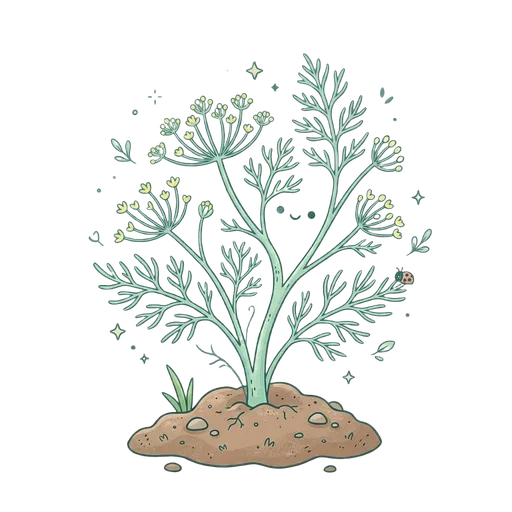
A cool-season herb crop for the home garden
Growing your own Dill is one of the more satisfying things you can do in an Australian backyard.
This guide covers when to plant Dill in your region, the position and soil it likes, how to sow and space it, day-to-day care, the pests and diseases to watch, and how to harvest and store your crop.
What it looks like as it grows


Dill is a feathery, fast-growing annual herb grown for its soft, aromatic leaves and for its seed heads, which flavour pickles. It bolts quickly in heat, so the secret to growing dill is to sow it at the right time for your region, sow little and often, and pick it young. Its flowers are also some of the best in the garden for drawing in helpful insects.

🌱 Plant profile: Dill, with sowing times for your region, companion plants and common pests.
When to Plant Dill in Your Region
Dill is a cool-season crop, half-hardy (it takes light frost but not a hard freeze). In subtropical South-East Queensland it is sown in March, April, May, June, July, August and September. Timing shifts with your climate, so choose your region below for a local calendar.
Dill is a cool-season herb in most regions but a summer herb in Tasmania. These are the sowing months for each region from our planting data. Each region links to its full vegetable planting calendar, and the Dill plant page has spacing, companions and care notes for your region.
| Region | Sow seed | Local note |
|---|---|---|
| South East Queensland | March to September | |
| Northern Rivers NSW | March to September | |
| Sydney & Coastal NSW | March to September | |
| Melbourne & Victoria | March to September | Sow Mar to Sep. Dill prefers the cool season and bolts quickly in heat, and Melbourne's cool climate gives it a long season. |
| Adelaide & SA | March to September | |
| Perth & WA | March to September | |
| Tasmania | September to January | Sow Sep to Jan. Mild summers give a long leaf season before seeding. |
| Canberra & ACT | March to September | Dill sow Mar to Sep; cold-tolerant annual; self-seeds readily; avoid hot months; grow for foliage and seeds. |
| North Queensland | May to September | Dry season May to Sep. Dill bolts in tropical heat; sow in cooler months. |
| Darwin & Top End | May to September | Dry season May to Sep. Dill bolts in tropical heat; sow in cooler months. |
On most of the mainland, dill is sown from autumn to early spring, March to September, and the summer heat ends the season. Tasmania turns that around: our Tasmania calendar sows dill from September to January, because the mild summers give a long leaf season before the plants run to seed. In North Queensland and Darwin, sow in the dry season from May to September, as dill bolts quickly in tropical heat.
Position and Soil
Give Dill full sun (at least 6 hours a day). It does best in free-draining soil with a pH around 6 to 7.5. Dig through plenty of compost before planting, and mulch to hold moisture and keep weeds down.
Sowing and Spacing
Sow seed on the surface, barely covered. Thin or space plants to about 25 cm apart. Seedlings usually appear in around 14 days, fastest when the soil is between 15 and 22 degrees.
Cool-season only, bolts fast in heat. Sow direct (doesn't like transplanting). The seed heads are great in pickling.
How to grow dill from seed
- Pick a sunny spot sheltered from strong wind, which flattens the tall, hollow stems.
- Sow the seed direct where it will grow, because the taproot dislikes transplanting. Scatter it thinly and barely cover it, as the seed needs light to germinate.
- Keep the soil evenly moist while the seedlings come up, which takes about 14 days in soil between 15 and 22°C.
- Thin the seedlings to about a hand-span apart, around 25 cm, so each plant has room and air around it.
- Sow a fresh row every few weeks through your sowing window so you always have young, leafy plants coming on.
Keep dill well away from fennel, because the two can cross and the seed you save will not come true.
Growing Dill in Pots
Dill grows happily in a pot on a sunny balcony or courtyard, which also makes it easy to keep out of the wind. Choose a deep pot rather than a wide, shallow one, because dill grows a taproot, and fill it with a free-draining potting mix. Sow the seed straight into the pot, as seedlings do not like being moved, and thin to a few strong plants. Pots dry out faster than the garden, and dill that dries out bolts quickly, so water often in warm weather. Tall plants may need a small stake.
Care
Water consistently, roughly 3 L per plant every 3 days in warm weather, less in cool or wet spells. Feed every few weeks through the growing season with a balanced organic fertiliser, and keep mulch topped up.
How to Stop Dill Bolting
Bolting, when the plant runs up to flower and stops making fresh leaves, is the main frustration with dill. Heat is the main trigger, so sow in the cool part of the year for your region and give the plants steady moisture. Rich soil makes it worse: our plant data notes that heavy feeding gives soft growth that bolts faster, so feed lightly with a balanced liquid feed and keep the moisture even. Pick the leaves often, sow in succession, and let the oldest plants flower when they are ready.
Those flowers are worth having. Dill's flat flower heads draw in bees, hoverflies and parasitic wasps, and hoverflies and wasps hunt aphids, the main pest of dill itself. That is why dill earns a place in a companion-planted bed even when you have more leaves than you can use.
Pests and Diseases
Keep an eye out for Aphids. The main diseases to watch are Powdery mildew. Good spacing, watering at the base rather than over the leaves, and crop rotation prevent most problems. See our Pest and Disease Guide to identify and fix any issue.
Harvesting and Storage
Dill is typically ready to harvest in around 60 days (about 2 months).
Snip the feathery leaves any time once the plants are leafy, taking them from the top so the plant keeps branching, and use them fresh. For seed, let a few flower heads form and dry on the plant, then cut them into a paper bag and shake the seeds out. Keep some to sow next season and store the rest in an airtight jar for pickling and cooking. Dill also self-seeds readily, so a few heads left on the plant often give you a crop of seedlings the following season.
In the Kitchen
Nutritionally: aids digestion and reduces bloating and contains antioxidants and minerals.
Companion Planting
Dill grows well alongside Cabbage, Onion and Corn. Keep it away from Carrot and Fennel. Our companion planting chart has the full pairings.
Frequently Asked Questions
When should I plant Dill in Australia?
Dill is a cool-season crop. In subtropical regions like South-East Queensland it is sown in March, April, May, June, July, August and September. Timing changes with your climate, so use the calendar above for your region.
How long does Dill take to grow?
Dill is generally ready to harvest in around 60 days (about 2 months).
How much sun does Dill need?
Give it full sun (at least 6 hours a day) for the healthiest growth and best harvest.
Can I grow dill in a pot?
Yes. Use a deep pot, because dill grows a taproot, fill it with free-draining potting mix and sow the seed straight into it. Keep it in full sun out of strong wind, and water often in warm weather, because dill in a pot that dries out bolts quickly.
Why is my dill flowering so quickly?
Heat is the usual trigger, along with dry soil and over-rich soil. Sow dill in the cool part of the year for your region, keep the soil evenly moist, feed lightly and pick the leaves often. Sowing a new patch every few weeks keeps young, leafy plants coming.
Does dill come back every year?
Dill is an annual, so each plant flowers, sets seed and dies. It self-seeds readily, though, so if you leave a few flower heads to drop their seed you will often find new dill seedlings in the same spot next season.
How do you harvest dill so it keeps growing?
Snip the feathery leaves from the top of the plant once it is leafy, a few stems at a time, and it keeps branching and producing. Avoid stripping the whole plant at once, and keep picking regularly to hold off flowering.
See also: Dill in the Plant Library
Plant profile
The dill profile has sowing times for your region, companion plants and common pests.