How to Grow Mint in Australia: Growing Mint Plants in Pots
Updated October 2026
A year-round herb crop for the home garden
Growing Mint rewards a little local know-how, and in the right season the plants do most of the work for you. It is rated beginner to grow. Saves ~$2-4/week, one plant provides more mint than you can ever use.
This guide covers when to plant Mint in your region, the position and soil it likes, how to sow and space it, day-to-day care, the pests and diseases to watch, and how to harvest and store your crop.
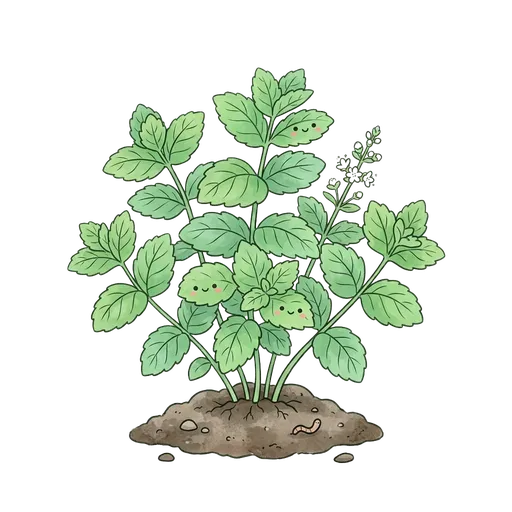
What it looks like as it grows


Mint is one of the easiest herbs in the garden, and one of the few that thrives in part shade. The catch is its roots: mint spreads by runners, underground stems that creep out in every direction and pop up well away from the original plant, which is why most gardeners grow mint plants in pots. This guide explains how to grow mint in a pot or a contained bed, when to plant it, and how to keep it lush and leafy.

🌱 Plant profile: Mint, with sowing times for your region, companion plants and common pests.
When to Plant Mint in Your Region
Mint is a year-round crop, fully frost-hardy. In subtropical South-East Queensland it is sown in March, April, May, June, July, August, September and October. Timing shifts with your climate, so choose your region below for a local calendar.
Mint is a hardy perennial, so these are the best months to plant new runners or divisions in each region, from our planting data. Each region links to its full vegetable planting calendar, and the Mint plant page has spacing, companions and care notes for your region.
| Region | Plant | Local note |
|---|---|---|
| South East Queensland | March to October | |
| Northern Rivers NSW | March to October | |
| Sydney & Coastal NSW | March to October | |
| Melbourne & Victoria | March to October | Hardy perennial; extends Mar to Oct. Dies back in winter but regrows spring. Frost-hardy. |
| Adelaide & SA | March to September | Hardy. Best growth comes in the cool months, so plant Mar to Sep. |
| Perth & WA | March to September | Hardy. Best growth comes in the cool months, so plant Mar to Sep. |
| Tasmania | September to March | Plant Sep to Mar. Dies back in winter and returns in spring. Fully hardy. |
| Canberra & ACT | March to October | Mint is hardy perennial; spreads vigorously; plant in contained area; thrives in Canberra's cool season. |
| North Queensland | May to November | Dry season main window. Mint spreads year-round but thrives May to Nov. |
| Darwin & Top End | May to November | Dry season main window. Mint spreads year-round but thrives May to Nov. |
Position and Soil
Give Mint part sun to light shade. It does best in free-draining soil with a pH around 6 to 7. Dig through plenty of compost before planting, and mulch to hold moisture and keep weeds down. It grows happily in a pot of 20cm+ (keep contained, spreads aggressively), which makes it a fine choice for balconies and courtyards.
Planting Mint: Runners, Divisions and Seed
Sow seed on the surface, barely covered. Thin or space plants to about 30 cm apart. Seedlings usually appear in around 14 days, fastest when the soil is between 15 and 22 degrees.
Plant in a pot, it will take over a bed otherwise.
The quickest way to start mint is from a rooted runner or a division of an existing plant rather than from seed, and our plant data recommends planting a runner or division in moist soil and part shade. Dig up a clump from an established plant, pull it apart into pieces that each have roots and a few shoots, and plant them at the depth they were growing. Stem cuttings also root readily: take a soft tip, strip the lower leaves, stand it in water or damp mix, and pot it up once it has roots. A runner or cutting from a plant you like gives you exactly that flavour.
Growing Mint in Pots
Growing mint in a pot is the simplest way to enjoy it without losing the garden to it. Our plant data calls for a pot of at least 20 cm, and a wider pot gives the runners more room before the plant needs dividing. Use a good potting mix with some compost through it, because mint likes rich soil that stays damp. Stand the pot in part sun or light shade, and in hot inland gardens give it an afternoon shade position to keep the leaves soft.
Mint in a pot needs regular water. It is happiest when the roots stay damp, so water whenever the top of the mix starts to dry, which can be daily in a hot summer. Feed lightly with a balanced feed once or twice during the growing season. After a year or two a potted mint fills the pot with roots and the growth thins out: tip it out, cut the root ball into pieces, and replant one piece in fresh mix.
Mint in the garden bed
If you want mint in the ground, plant it in a container sunk into the bed, such as a large pot buried to just below its rim, so the runners cannot escape. Trim any runners that creep over the top. A damp spot near a tap suits mint well.
Care
Water consistently, roughly 5 L per plant every 2 days in warm weather, less in cool or wet spells. Feed every few weeks through the growing season with a balanced organic fertiliser, and keep mulch topped up.
Pests and Diseases
The main diseases to watch are Rust and Verticillium wilt. Good spacing, watering at the base rather than over the leaves, and crop rotation prevent most problems. See our Pest and Disease Guide to identify and fix any issue.
Rust shows as small orange or brown spots on the leaves. Cut an affected plant back hard, clear away the fallen leaves, and let it regrow with clean new growth. Keeping air moving around the pot helps stop it coming back.
Harvesting and Storage
Mint is typically ready to harvest in around 70 days (about 2 months). Fridge with stems in water, up to 1 week. Freeze in ice cube trays.
Cutting back and picking mint
Snip sprigs once the plant is leafy, cutting each stem just above a pair of leaves. New shoots grow from that point, so regular harvesting keeps the plant bushy and productive. The flavour is best before the plant flowers. If it starts to flower or the stems get long and woody, cut the whole plant back hard, close to the soil, and it reshoots with fresh leaves.
In cooler regions mint dies back in winter and returns in spring. Our Melbourne and Tasmania notes both expect this, so do not give up on a pot that looks dead in July. Cut off the old stems, keep the mix just moist, and new shoots appear as the weather warms.
In the Kitchen
In the kitchen, mint is good fresh in drinks, mojitos and teas, chopped into tabbouleh and raita, added to pea soup and lamb dishes and blended into mint sauce or chutney. Nutritionally: soothes digestive system and reduces bloating and contains menthol for natural freshness.
Companion Planting
Mint grows well alongside Cabbage and Tomato. Keep it away from Parsley. Our companion planting chart has the full pairings.
Frequently Asked Questions
When should I plant Mint in Australia?
Mint is a year-round crop. In subtropical regions like South-East Queensland it is sown in March, April, May, June, July, August, September and October. Timing changes with your climate, so use the calendar above for your region.
How long does Mint take to grow?
Mint is generally ready to harvest in around 70 days (about 2 months).
Can I grow Mint in a pot?
Yes. Mint grows well in a container of 20cm+ (keep contained, spreads aggressively) with free-draining mix and regular watering.
How much sun does Mint need?
Give it part sun to light shade for the healthiest growth and best harvest.
Why should mint be grown in a pot?
Because it spreads aggressively by runners that creep underground and come up well away from the original plant. A pot, or a container sunk into the bed, keeps it in one place. Our plant data recommends a pot of at least 20 cm for mint.
How often should I water mint in a pot?
Whenever the top of the mix starts to dry, which can be every day in hot weather. Mint is happiest when its roots stay damp, so it needs more water than most herbs, especially in a pot in summer.
Why has my mint died back in winter?
In cooler regions mint naturally dies back in winter and regrows in spring, and our Melbourne and Tasmania notes both expect this. Cut off the old stems, keep the soil just moist, and new shoots appear as the weather warms.
Why does my mint have orange spots on the leaves?
That is usually rust, a common disease of mint. Cut the plant back hard, clear away the affected leaves and let it regrow. Good airflow around the pot helps prevent it coming back.
See also: Mint in the Plant Library
Plant profile
The mint profile has sowing times for your region, companion plants and common pests.