How to Grow Onions in Australia: How Long They Take to Grow
Updated October 2026
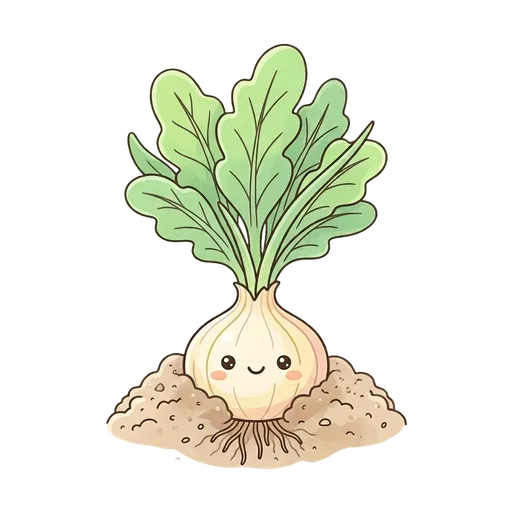
A cool-season root crop for the home garden
Growing your own Onion is one of the more satisfying things you can do in an Australian backyard. It is rated intermediate to grow. Saves ~$2-5/week, a staple in nearly every meal.
This guide covers when to plant Onion in your region, the position and soil it likes, how to sow and space it, day-to-day care, the pests and diseases to watch, and how to harvest and store your crop.
What it looks like as it grows


🌱 Plant profile: Onion, with sowing times for your region, companion plants and common pests.
When to Plant Onions in Your Region
Onion is a cool-season crop, half-hardy (it takes light frost but not a hard freeze). In subtropical South-East Queensland it is sown in March, April, May and June. Timing shifts with your climate, so choose your region below for a local calendar.
Onions are a cool-season crop sown from autumn into spring, depending on the region and the variety. These are the sowing months for each region from our planting data. Each region links to its full vegetable planting calendar, and the Onion plant page has spacing, companions and care notes for your region.
| Region | Sow seed | Local note |
|---|---|---|
| South East Queensland | March to June | Sow Mar to Jun. Choose short-day varieties such as Early Cream Gold, bred for Queensland. |
| Northern Rivers NSW | March to June | Sow Mar to Jun. Short-day varieties suit the subtropics. |
| Sydney & Coastal NSW | March to May | Sow Mar to May for a reliable harvest. |
| Melbourne & Victoria | March to September | Variety stagger: early types Mar to May, mid-season Jun to Jul, late keepers Jul to Sep. Long cool season perfect for bulbing. |
| Adelaide & SA | March to September | Variety stagger: early types Mar to May, mid season May to Jul, late keepers Jul to Sep. Grow from seed or seedlings; the long cool season bulbs them well. |
| Perth & WA | April to June | Sow Apr to Jun. Onions are often planted as sets here; avoid warm-season sowing. |
| Tasmania | July to September | Sow Jul to Sep. Long-day varieties suit Tasmania and bulb up in the long summer daylight. Harvest late summer. |
| Canberra & ACT | April and May, and August and September | Stagger: sow early varieties Apr to May, mid and late varieties Aug to Sep. Harvest summer when tops fall. |
| North Queensland | April to June | Dry season only. Sow Apr to Jun; it is a long crop. |
| Darwin & Top End | April to June | Dry season only. Sow Apr to Jun; it is a long crop. |
Onion timing is about day length as much as temperature. Short-day varieties, such as Early Cream Gold and Red Tropicana, are bred for Queensland and the subtropics and go in from autumn into early winter. In Melbourne and Adelaide the long cool season lets you stagger varieties: early types from March to May, mid-season types through winter and late keepers to September. Tasmania sows from July to September with long-day varieties, which bulb up in the long summer daylight, and Canberra sows early varieties in April and May and mid and late varieties in August and September.
Varieties to Try
Early Cream Gold
Short-day brown onion bred for QLD. The commercial SEQ standard. Reliable, stores well.
Try: Yates, Mr Fothergill's, Bunnings
Red Tropicana
Short-day red onion. Mild, sweet, excellent raw in salads. Bred for subtropical conditions.
Try: Green Harvest, Eden Seeds
Spring Onion (Straight Leaf)
Harvest young as green onions. Fast (8-10 weeks). Year-round in SEQ.
Try: Yates, Mr Fothergill's, Bunnings
Position and Soil
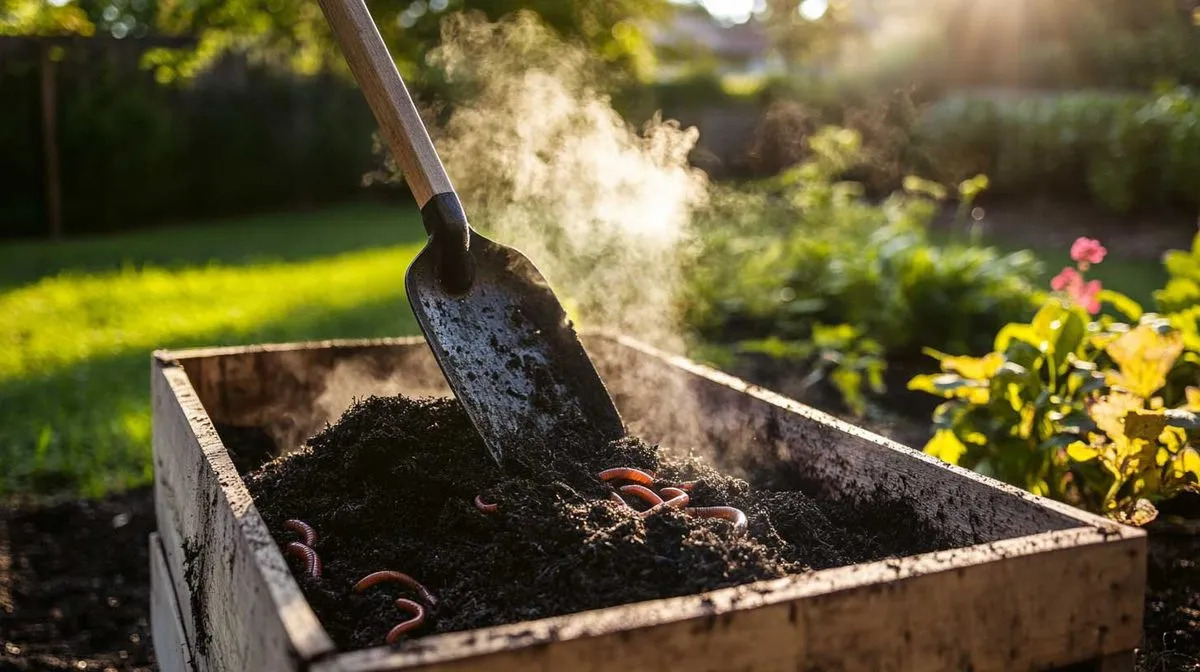
Give Onion full sun (at least 6 hours a day). It does best in free-draining soil with a pH around 6 to 7. Dig through plenty of compost before planting, and mulch to hold moisture and keep weeds down. It can be container-grown in 30cm+, though it is happier in the ground.
Sowing and Spacing
Sow seed about 1.5 cm deep. Thin or space plants to about 10 cm apart. Seedlings usually appear in around 12 days, fastest when the soil is between 10 and 25 degrees.
Long haul, plant once, wait six months. Day-length sensitive; pick short-day varieties for SEQ.
How Do Onions Grow?
An onion spends its first months growing leaves, which is why our plant data recommends a nitrogen-rich feed early on. Then day length takes over: once the days reach the length a variety is bred for, the plant switches from making leaves to swelling its bulb, and feeding should stop. That is why choosing the right type matters so much. Short-day varieties start bulbing in the shorter days of the subtropics, while long-day varieties need the long summer days of Tasmania.
As the bulb matures, the tops yellow and flop over at the neck. That is the signal to ease off watering so the bulbs ripen and store rather than rot, and then to lift them. Onions can be grown from seed, from seedlings in punnets, or from sets, which are small bulbs grown the season before. Our Perth notes mention sets as the usual method there.
Growing onions from seed and seedlings
Sow seed about 1.5 cm deep in punnets or direct, and thin or plant out to about 10 cm apart, setting each plant shallow so the bulb sits near the surface. Seedlings appear in about 12 days at 10 to 25°C. Keep the bed weed-free, because onions hate competition, and water steadily while the tops grow.
Care
Water consistently, roughly 3 L per plant every 3 days in warm weather, less in cool or wet spells. Feed every few weeks through the growing season with a balanced organic fertiliser, and keep mulch topped up.
Pests and Diseases
Keep an eye out for Thrips. The main diseases to watch are Downy mildew, White rot and Onion smut. Good spacing, watering at the base rather than over the leaves, and crop rotation prevent most problems. See our Pest and Disease Guide to identify and fix any issue.
How Long Do Onions Take to Grow?
Onions are a slow crop. Our plant data allows about 180 days, roughly six months, from sowing to harvest, so an autumn sowing is lifted in spring or early summer, and Tasmania's July to September sowings are harvested in late summer. Canberra lifts its onions in summer when the tops fall. Spring onions are much quicker, at 8 to 10 weeks, because they are picked young before a bulb forms.
Lift the bulbs once the tops have yellowed and flopped over at the neck. Loosen them with a fork, ease them out, and cure them in a dry, airy place before storing. Our harvesting and storing onions guide covers curing, braiding and storage.
Harvesting and Storage
Onion is typically ready to harvest in about 6 months. Dry, cool, dark place, up to 3 months. Do not refrigerate until cut.
In the Kitchen
In the kitchen, onion is good caramelised slowly as a base, pickled raw for burgers and tacos, added raw to salads and salsas and roasted whole as a side dish. Nutritionally: contains quercetin, a powerful antioxidant and supports heart and immune health.
Companion Planting Onions
Onion grows well alongside Carrot, Beetroot, Lettuce, Silverbeet and Chamomile. Keep it away from Beans and Peas. Our companion planting chart has the full pairings.
Many of these pairings work both ways. Our companion data also lists onion as a good companion for cabbage, broccoli, cauliflower, kale and the other brassicas, along with strawberries and dill. On the other side, beans, peas, snow peas, broad beans and peanuts all list onion as a plant to keep away, so give legumes their own bed.
Frequently Asked Questions
When should I plant Onion in Australia?
Onions are a cool-season crop. South East Queensland and the Northern Rivers sow from March to June, North Queensland, Darwin and Perth from April to June, and Sydney from March to May. Melbourne and Adelaide stagger varieties from March to September, Tasmania sows from July to September, and Canberra in April and May and again in August and September.
How long does Onion take to grow?
About 180 days, roughly six months, from sowing to harvest, according to our plant data. Seedlings appear in about 12 days. Spring onions picked young are ready in 8 to 10 weeks.
How much sun does Onion need?
Give it full sun (at least 6 hours a day) for the healthiest growth and best harvest.
How do onions grow?
An onion grows leaves first, then swells its bulb once the days reach the length its variety is bred for. Short-day varieties suit the subtropics and long-day varieties suit Tasmania. When the bulb is mature, the tops yellow and fall over, which is the sign to stop watering and lift the crop.
What grows well with onions?
Carrots, beetroot, lettuce, silverbeet and chamomile, according to our companion data. Brassicas such as cabbage, broccoli and kale, along with strawberries and dill, list onion as a good companion too.
What should you not plant with onions?
Beans and peas. Our companion data lists onion as a poor companion for beans, peas, snow peas, broad beans and peanuts, so keep legumes in a separate bed.
Can you grow onions in pots?
You can, in a pot of at least 30 cm with free-draining mix in full sun, but our plant data notes that onions are happier in the ground, and each plant gives only one bulb.
See also: Onion in the Plant Library
Plant profile
The onion profile has sowing times for your region, companion plants and common pests.