Planting Pumpkin Seedlings and Pumpkin Seeds in Australia
Updated October 2026
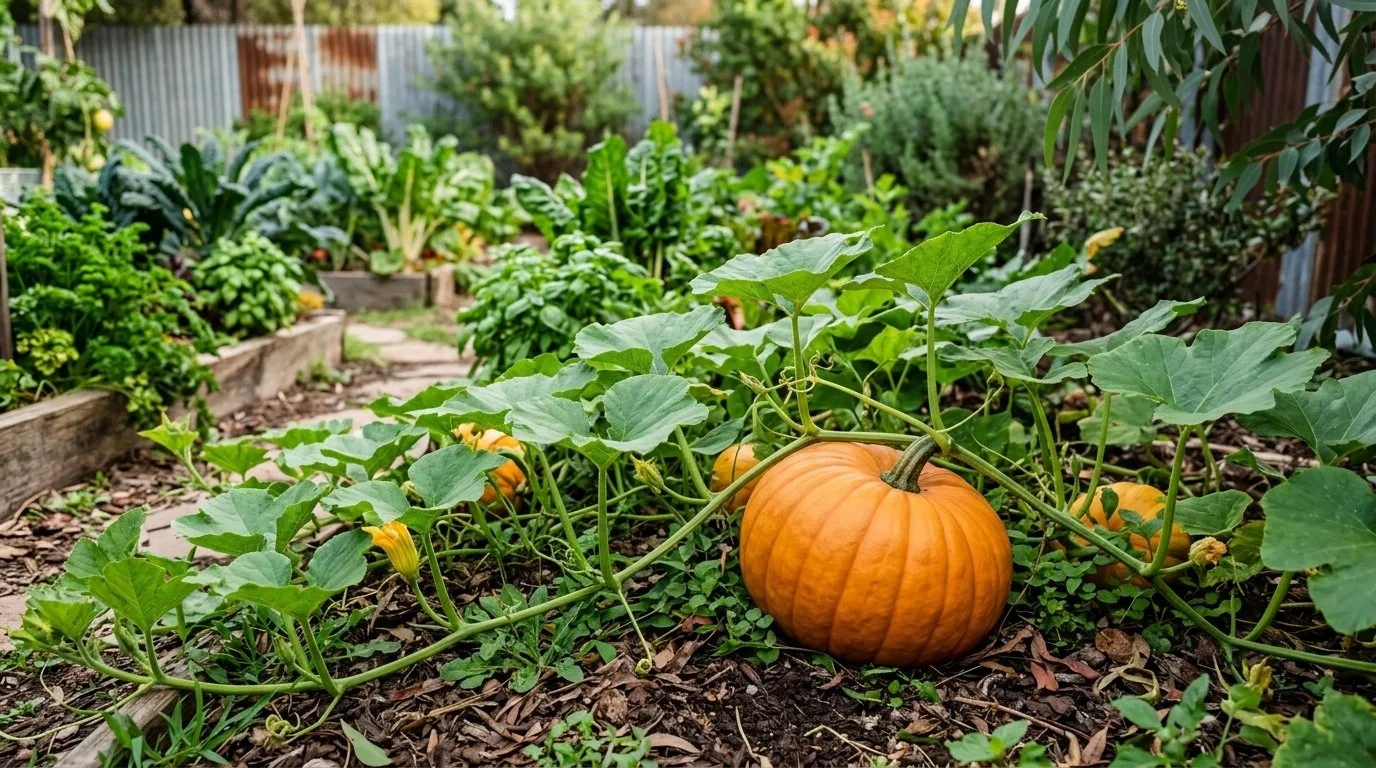
A sprawling, generous warm-season crop, and the pumpkins store for months once cured
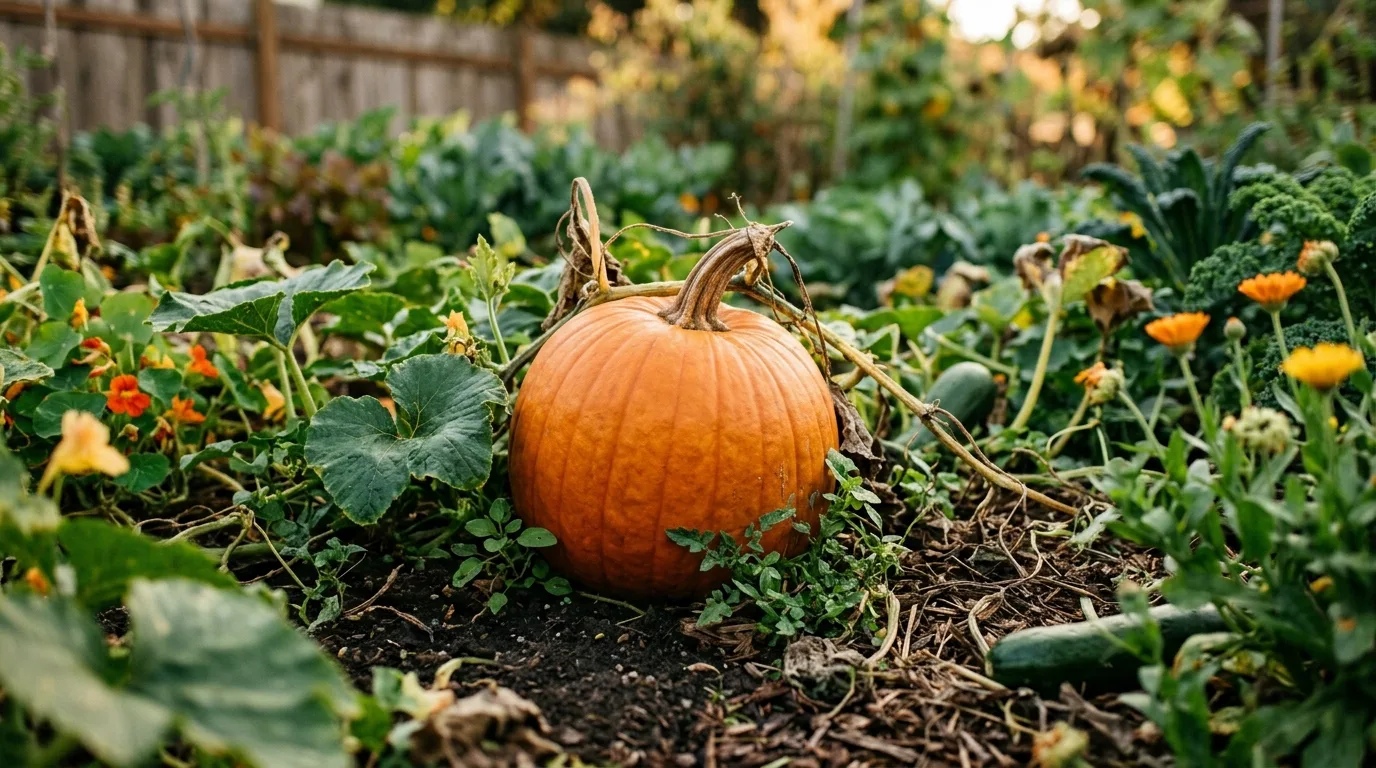
What it looks like as it grows


Pumpkins and winter squash are among the most rewarding crops for a sunny backyard. One vine can carry several fruit, and a well-cured pumpkin keeps in the cupboard for months, so a good season feeds you well into winter. They are not fussy, but they are hungry, thirsty and they sprawl, so the main thing to plan for is space.
This guide covers sowing after frost, planting on warm mounds, the difference between vining and bush types, hand pollination when fruit set is poor, beating powdery mildew, and how to tell a pumpkin is ripe and cure it for storage. Use the space calculator below to work out how much room your plants will need.
Pumpkin space calculator
Enter how many plants you want to grow and pick the type. The calculator estimates the growing area you will need.
| Type | Days to maturity |
|---|---|
| Butternut | about 110 to 120 days |
| Smaller pie / Kent types | about 100 to 110 days |
| Large keepers (Queensland Blue, Jarrahdale) | about 110 to 130 days |
| Bush zucchini-style squash | much faster, but a different crop |
🌱 Plant profile: Pumpkin, with sowing times for your region, companion plants and common pests.
When to Plant Pumpkin in Your Region
Pumpkins are sown in spring and early summer in the south and in the dry season in the tropics. These are the sowing months for each region from our planting data. Each region links to its full vegetable planting calendar, and the Pumpkin plant page has spacing, companions and care notes for your region.
| Region | Sow seed | Local note |
|---|---|---|
| South East Queensland | August to February | Sow Aug to Feb. Queensland Blue is the classic variety here. |
| Northern Rivers NSW | September to February | Sow Sep to Feb. Inland, wait until the frost risk has passed. |
| Sydney & Coastal NSW | September to December | Sow Sep to Dec once the soil warms. Avoid winter sowing; the window is shorter than in Brisbane. |
| Melbourne & Victoria | October to December | Sow Oct to Dec once frost has passed. Pumpkins need a long warm season that the autumn frosts cut short, so there is no winter sowing. |
| Adelaide & SA | September to November | Sow Sep undercover or Oct to Nov direct after frost. Vines handle summer with deep weekly watering. Harvest and cure before winter. |
| Perth & WA | August and September | Sow Aug to Sep only, so the vines set fruit before the January heat. Avoid sowing Dec to Feb. |
| Tasmania | October and November | Sow Oct to Nov only. Choose fast varieties so fruit matures and cures before April frost. |
| Canberra & ACT | November | Sow in November after the last frost. Pumpkins need 80 to 120 frost free days, so later sowings will not ripen before the April frosts. |
| North Queensland | April to August | Dry season Apr to Aug. A Bowen winter crop. Mildew and fruit rot rule out wet season vines. |
| Darwin & Top End | April to July | Dry season Apr to Jul. Long crop of 15 to 20 weeks so sow early dry. Wet season mildew destroys vines. |
Position and Soil
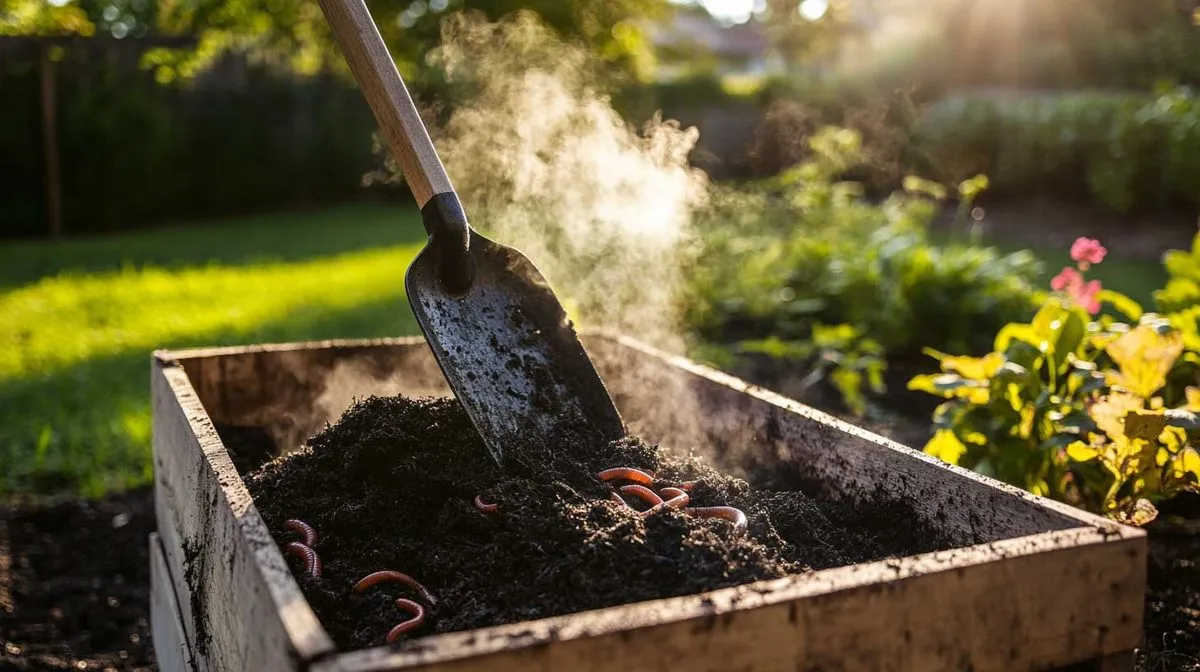
Give pumpkins full sun, at least 6 hours a day, and the richest soil you can manage. They are heavy feeders, so dig in plenty of compost or well-rotted manure before planting. They love growing on the edge of a compost heap. The soil should be free-draining, and warmth at the roots makes a big difference, which is why mounds work so well.
Planting Pumpkin Seeds on Mounds
Pumpkins are frost-tender, so wait until the last frost has passed and the soil has warmed before sowing. Sow seed about 3 cm deep, ideally onto raised mounds or hills of enriched soil. A mound warms faster than flat ground, drains freely and gives the roots a deep pocket of compost to feed on. Sow two or three seeds per mound and thin to the strongest seedling. Seedlings usually appear within a week or so when the soil is warm.
Our plant data gives a germination range of 20 to 32°C and about 8 days for seedlings to emerge, so warm soil makes all the difference. Allow about 1.5 metres between plants, or a couple of metres for big vining types, and expect 2 to 5 fruit per plant.
Choosing pumpkin seeds for planting
Pick seed to suit your space and your season. Large keepers such as Queensland Blue and Jarrahdale need the most room and the longest season, about 110 to 130 days, so they suit the subtropics and warm temperate gardens. Butternut and Kent types are smaller and a little quicker, and Golden Nugget is a bush type for small beds and raised beds. In short-season regions, timing matters as much as variety: our Tasmania calendar recommends fast varieties so the fruit matures and cures before the April frost, and in Canberra a November sowing gives the 80 to 120 frost-free days pumpkins need.
Planting pumpkin seedlings
Planting pumpkin seedlings gives you a head start where spring is cool or short. Our Adelaide calendar, for example, starts seed under cover in September and sows or plants out from October, once frost has passed. Whether you raise your own seedlings or buy punnets, the steps are the same.
- Build a mound of compost-rich soil in full sun, allowing about 1.5 metres for each plant.
- Wait until frost has passed and the soil is warm, the same timing as sowing seed in your region.
- Water the punnet first, then ease the seedling out with as much soil around the roots as possible, so the roots are disturbed as little as possible.
- Plant it at the same depth it sat in the punnet, firm the soil gently and water it in well.
- Keep the soil moist while the plant settles in, watering at the base rather than over the leaves, and mulch once it is growing.
Vining vs Bush Types
Most pumpkins are vining types that sprawl a long way, often 2 to 3 metres or more, and need real estate. If space is tight, choose a compact or bush type such as Golden Nugget, which stays in a much smaller footprint and suits raised beds and large containers. The space calculator above shows the difference between the two.
Hand Pollination
If your vine flowers well but few fruit set, or you have not seen many bees, hand pollinate. Pumpkins carry separate male and female flowers. A male flower sits on a thin, straight stem. A female flower has a tiny pumpkin, the swollen ovary, just behind the bloom. In the morning when flowers are freshly open, pick a male flower, peel back its petals and dab the pollen onto the centre of the female flower, or move pollen across with a small soft brush. One male can pollinate several females.
Watering and Feeding
Water deeply and consistently through the warm months, keeping water at soil level rather than over the leaves to reduce disease. Ease off as the fruit matures and the skin hardens, which improves storage. Feed every few weeks through the season with a balanced organic fertiliser, switching to one higher in potassium as the fruit forms, and keep the bed mulched.
Powdery Mildew and Other Problems
Powdery mildew is the classic pumpkin problem, a white coating that spreads across the leaves in warm, humid, still weather. Improve airflow by spacing plants well, water at the soil rather than over the foliage, remove badly affected leaves, and slow it with a milk spray or a potassium-bicarbonate spray. Pumpkin beetle and squash bug can also appear; pick them off and keep the patch tidy. See our Pest and Disease Guide to identify and fix any issue.
Knowing When a Pumpkin Is Ripe
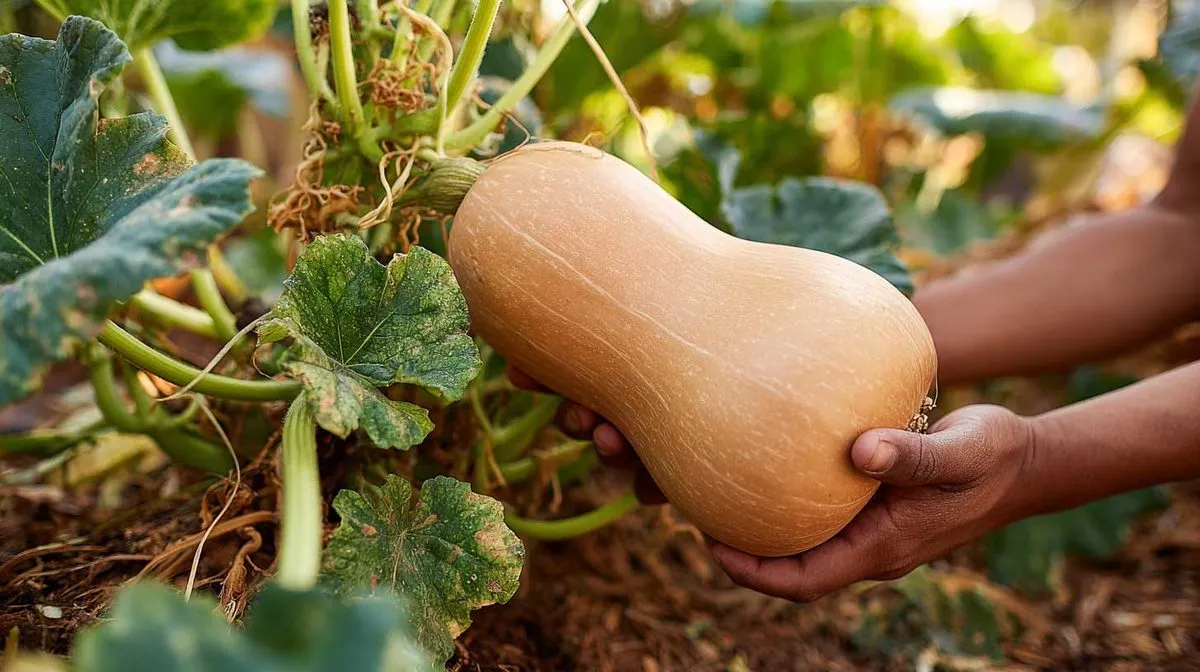
A pumpkin is ready when several signs line up: the skin is hard and you cannot dent it with a thumbnail, the colour has gone dull rather than glossy, the stem has corked and dried, and it sounds hollow when you tap it. Cut the fruit with a good length of stem still attached, as a clean stem helps it store. Bring fruit in before any heavy frost.
Curing and Storing
Cure harvested pumpkins for 1 to 2 weeks in a warm, dry, airy spot to harden the skin. Curing is what lets a pumpkin keep for months. Once cured, store the whole fruit somewhere cool and dry, checking now and then for soft spots. Once cut, wrap the pieces and keep them in the fridge, using them within about a week.
Best Pumpkin Varieties for Australia
| Variety | Notes |
|---|---|
| Butternut | Smooth tan skin, sweet nutty flesh, stores well. A reliable, smaller-fruited all-rounder for any garden. |
| Kent / Jap | Mottled grey-green skin and sweet orange flesh. The popular Australian eating pumpkin and a heavy cropper. |
| Queensland Blue | The classic large blue-grey Aussie heirloom. Dense sweet flesh and a great keeper. |
| Jarrahdale | Grey-blue ribbed skin with drier flesh. Excellent for long storage. |
| Golden Nugget | Small bush type for containers and small gardens, producing single-serve fruit on a compact plant. |
Growing Pumpkins Around Australia
Sow in spring to early summer after the last frost. Our data has Sydney sowing from September to December, Adelaide from September to November, Melbourne from October to December, and Perth only in August and September so the vines set fruit before the January heat. Tasmania sows in October and November and Canberra in November. South East Queensland has the longest window, from August to February. Pumpkins need a long, warm season of about four months, around 120 days, to size up and ripen. In the tropics they are a dry season crop, sown from April to August in North Queensland and from April to July in Darwin, because mildew and fruit rot rule out wet season vines. Harvest before any heavy frost arrives.
Companion Planting
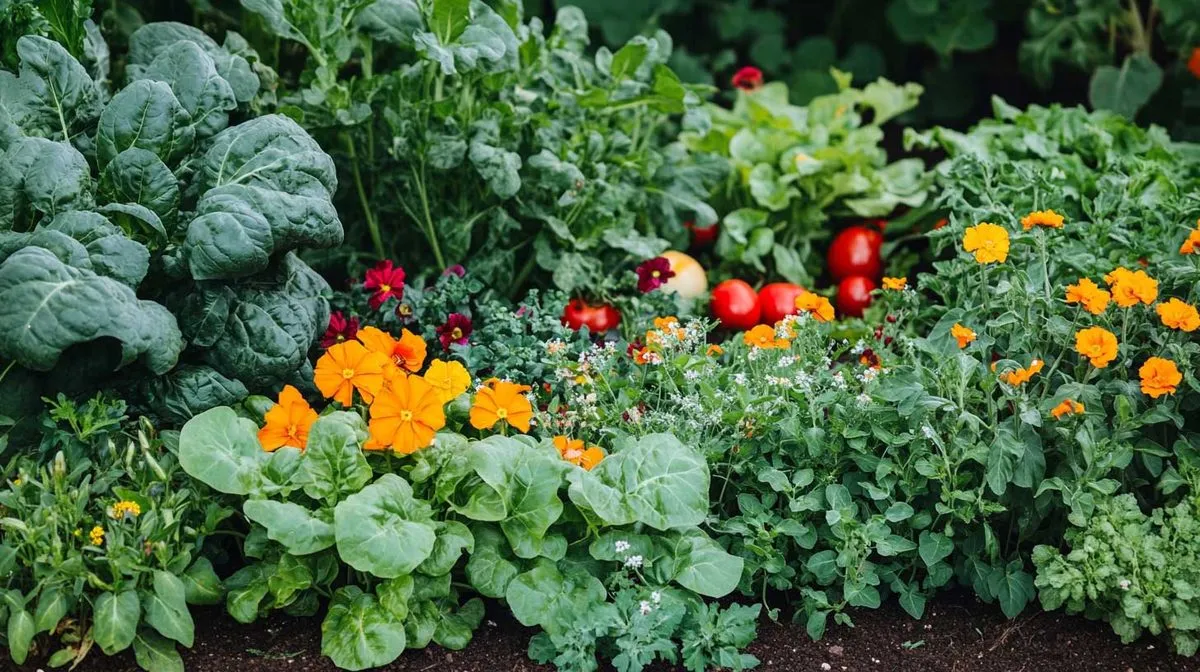
Pumpkins grow well alongside corn, beans, nasturtium and marigold, and the classic "three sisters" of corn, beans and pumpkin work well together. Keep them away from potatoes. Our companion planting chart has the full pairings.
Frequently Asked Questions
When should you plant pumpkins in Australia?
Sow pumpkins once the last frost has passed and the soil is warm. South East Queensland sows from August to February, the Northern Rivers from September to February, Sydney from September to December, Adelaide from September to November and Melbourne from October to December. Perth sows only in August and September, Tasmania in October and November and Canberra in November. In the tropics pumpkins are a dry season crop, sown from April to August in North Queensland and from April to July in Darwin. They need a long warm season of about four months.
How much space does a pumpkin plant need?
Vining pumpkins sprawl a long way and need roughly 2 to 3 square metres each. Compact or bush types such as Golden Nugget need far less, about 1 to 1.5 square metres each, which makes them better for small gardens and large containers.
How do you hand pollinate a pumpkin?
In the morning, find a male flower, which sits on a thin straight stem, and a female flower, which has a tiny pumpkin behind the bloom. Either pick a male flower, peel back its petals and dab its pollen onto the centre of the female flower, or use a small soft brush to transfer pollen. This helps fruit set when bees are scarce.
How can you tell when a pumpkin is ripe?
A ripe pumpkin has a hard skin you cannot dent with a thumbnail, a dull rather than glossy colour, a stem that has corked and dried, and a hollow sound when you tap it. Cut it with a long piece of stem attached.
How do you cure and store pumpkins?
Cure harvested pumpkins in a warm, dry, airy spot for 1 to 2 weeks to harden the skin, then store the cured fruit in a cool, dry place where whole pumpkins keep for months. Cut pieces should go in the fridge and be used within about a week.
Why does my pumpkin get powdery mildew?
Powdery mildew is a white coating on the leaves that thrives in warm, humid, still conditions. Improve airflow by spacing plants well, water at soil level rather than over the leaves, remove badly affected leaves, and use a milk or potassium-bicarbonate spray to slow it down.
How long do pumpkins take to mature?
It depends on the type. Butternut takes about 110 to 120 days, smaller pie and Kent types around 100 to 110 days, and large keepers like Queensland Blue and Jarrahdale about 110 to 130 days. Bush zucchini-style squash mature much faster, but that is a different crop.
How do you plant pumpkin seedlings?
Plant seedlings onto a warm, compost-rich mound in full sun once frost has passed, at the same depth they sat in the punnet. Disturb the roots as little as possible, water them in well and keep the soil moist while they settle. Allow about 1.5 metres for each plant.
How deep do you plant pumpkin seeds?
About 3 cm deep, two or three seeds to a mound, keeping the strongest seedling. Seedlings appear in about 8 days when the soil is between 20 and 32°C.
Which pumpkin seeds are best for a small garden?
A bush type such as Golden Nugget, which stays compact and suits raised beds. Butternut is a smaller-fruited vining type that is easier to fit than big keepers such as Queensland Blue or Jarrahdale, which sprawl a long way.
How many pumpkins do you get from one plant?
Our plant data puts it at 2 to 5 fruit per plant. Pinching out the growing tips once a few fruit have formed helps the vine ripen what it has, and hand pollinating in the cool of the morning helps when bees are scarce.
See also: Pumpkin in the Plant Library
Plant profile
The pumpkin profile has sowing times for your region, companion plants and common pests.