Growing Sunflowers From Seed in Australia: When to Plant
Updated October 2026
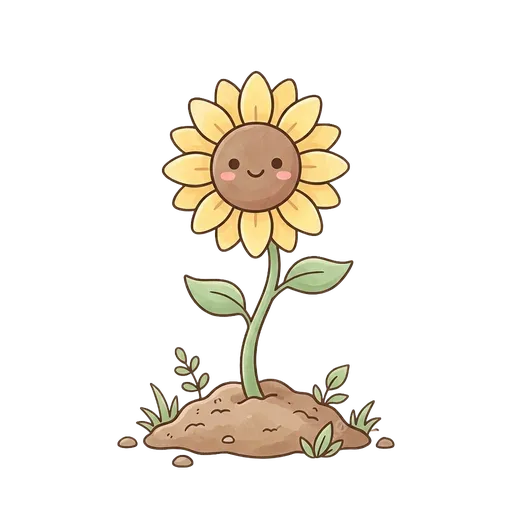
A warm-season flower crop for the home garden
Growing your own Sunflower is one of the more satisfying things you can do in an Australian backyard. It is rated beginner to grow. Saves ~$3-6/week on sunflower seeds, a single head produces hundreds of seeds.
This guide covers when to plant Sunflower in your region, the position and soil it likes, how to sow and space it, day-to-day care, the pests and diseases to watch, and how to harvest and store your crop.
What it looks like as it grows


🌱 Plant profile: Sunflower, with sowing times for your region, companion plants and common pests.
When to Plant Sunflower Seeds in Your Region
Sunflower is a warm-season crop, frost-tender and needs a frost-free run. In subtropical South-East Queensland it is sown in September, October, November, December, January, February and March. Timing shifts with your climate, so choose your region below for a local calendar.
Sunflowers are sown straight into warm soil after frost in the south, and in the dry season in the tropics. These are the sowing months for each region from our planting data. Each region links to its full vegetable planting calendar, and the Sunflower plant page has spacing, companions and care notes for your region.
| Region | Sow seed | Local note |
|---|---|---|
| South East Queensland | September to March | Sow Sep to Mar into warm soil. The long warm season gives one of the widest sowing windows in the country. |
| Northern Rivers NSW | September to March | Sow Sep to Mar into warm soil, as in South East Queensland. |
| Sydney & Coastal NSW | September to February | Sow direct Sep to Feb once the soil warms. Frost tender. |
| Melbourne & Victoria | October to December | Frost tender. Sow Oct to Dec once the soil reaches 15°C. The window is narrow, and frost kills the plants. |
| Adelaide & SA | September to December | Sow Sep to Dec direct. Sunflowers take the heat with deep watering; stake tall types against the wind. |
| Perth & WA | September to December | Sow Sep to Dec direct. Sunflowers take the heat with deep watering; stake tall types against the wind. |
| Tasmania | October to December | Sow Oct to Dec. Choose early varieties for the short summer. |
| Canberra & ACT | November and December | Sow direct Nov to Dec after the last frost in early November. Sowings after December rarely flower before autumn frost. |
| North Queensland | April to September | Sow Apr to Sep in the dry season. Wet season humidity brings fungal disease and storms flatten the tall stems, so have heads finished before the rain returns. |
| Darwin & Top End | April to August | Dry season Apr to Aug. Wet season storms flatten and rot stems. |
The further south you garden, the shorter the window. Melbourne and Tasmania sow from October to December, and Tasmanian gardeners do best with early varieties for the short summer. Canberra sows only in November and December, after the last frost in early November, because sowings made after December rarely flower before the autumn frosts. North Queensland and Darwin turn the calendar around and sow in the dry season from April, because wet season humidity brings fungal disease and storms flatten the tall stems.
Position and Soil
Give Sunflower full sun (at least 6 hours a day). It does best in free-draining soil with a pH around 6 to 7.5. Dig through plenty of compost before planting, and mulch to hold moisture and keep weeds down. It grows happily in a pot of 30cm+, which makes it a fine choice for balconies and courtyards.
Sowing and Spacing
Sow seed about 2 cm deep. Thin or space plants to about 50 cm apart. Seedlings usually appear in around 7 days, fastest when the soil is between 18 and 30 degrees.
Edible seeds, attracts pollinators and beneficial insects. Provides shade for heat-sensitive crops. Sunflower hulls are allelopathic, mulch from spent heads can suppress nearby plants.
Growing Sunflowers From Seed
Sunflowers are one of the easiest plants to grow from seed, and sowing straight into the garden is the best way to do it. Our plant data notes that sunflowers dislike root disturbance, so seed sown where it is to grow usually outperforms seedlings raised in punnets and transplanted.
- Choose the spot. Pick the sunniest bed you have, with well-drained soil and shelter from strong wind. A fence gives tall types something to lean against.
- Wait for warm soil. Our data gives a germination range of 18 to 30°C, so sow once frost has passed and the soil has warmed. Seed sown into cold soil comes up slowly and patchily.
- Sow about 2 cm deep. Sow two seeds per spot in case one fails, and water them in gently.
- Thin the seedlings. Seedlings appear in about 7 days in warm soil. Snip the weaker one at soil level and leave about 50 cm between plants.
- Water deeply, not often. Deep, less frequent watering pushes the roots down, which helps tall plants stay upright. Feed moderately, because too much nitrogen gives leaf and stalk at the expense of flowers.
- Stake tall types. Tie single-stem varieties to a stake in windy spots before the heads get heavy.
Choosing sunflower seeds for planting
Sunflower seed for planting falls into two broad groups. Tall, single-stem varieties grow one big head on a stem that can reach 2 to 3 metres, and they are the ones grown for edible seed. Dwarf and branching varieties stay between about 30 and 90 cm and carry several smaller flowers, which suits pots, small beds and cut flowers. Check the expected height on the packet before you choose a spot, and buy seed packed for sowing rather than roasted kitchen seed, which will not sprout.
Soaking the seed overnight before sowing is optional, but it can bring germination forward by a day or two.
Growing Sunflowers in Pots
Sunflowers grow well in containers if you pick the right variety. Our plant data suggests a pot of 30 cm or more for most sunflowers, and compact dwarf varieties such as Teddy Bear, Little Leo and Pacino manage in a 25 to 30 cm pot. Sow the seed straight into the pot, because the taproot resents being moved, and stand it in full sun. Pots dry out quickly in summer, so check the mix every day. Our sunflowers in pots guide covers varieties, pot sizes and staking in more detail.
Care
Water consistently, roughly 4 L per plant every 4 days in warm weather, less in cool or wet spells. Feed every few weeks through the growing season with a balanced organic fertiliser, and keep mulch topped up.
Pests and Diseases
Keep an eye out for Aphids and Caterpillars. The main diseases to watch are Downy mildew and Botrytis. Good spacing, watering at the base rather than over the leaves, and crop rotation prevent most problems. See our Pest and Disease Guide to identify and fix any issue.
How Long Do Sunflowers Take to Grow?
Our plant data allows about 80 days, a little under three months, from sowing to harvest, with seedlings up in about 7 days. Dwarf varieties are often quicker and can flower in 8 to 10 weeks. Timing matters most at the edges of the country: in Canberra a December sowing is the last that reliably flowers before the autumn frosts, and in the tropics the heads need to be finished before the wet season returns.
Harvesting Sunflower Heads and Seed
Sunflower is typically ready to harvest in around 80 days (about 3 months). Dry seeds completely before storing in a sealed jar, lasts 6 to 12 months.
For cut flowers, cut the stem when the head is just starting to open. For seed, wait until the back of the head turns from green to yellow-brown and the seeds have plumped up, then cut the head with a length of stem and dry it somewhere airy. Birds raid the ripening seed, so cover the heads with a paper bag once the petals start to drop. Rub the dried seed out of the head by hand and keep some for sowing next season.
In the Kitchen
In the kitchen, sunflower is good seeds roasted and salted as a snack, seeds pressed into sunflower oil, petals added to salads and young heads steamed like artichoke. Nutritionally: edible seeds are nutritious and high in vitamin E and attracts pollinators for garden health.
Companion Planting
Sunflower grows well alongside Cucumber, Corn and Tomato. Keep it away from Potato. Our companion planting chart has the full pairings.
Frequently Asked Questions
When should I plant Sunflower in Australia?
Sow sunflower seeds once the soil is warm and frost has passed. South East Queensland and the Northern Rivers sow from September to March, Sydney from September to February, Adelaide and Perth from September to December, Melbourne and Tasmania from October to December, and Canberra in November and December. In the tropics, sow in the dry season: April to September in North Queensland and April to August in Darwin.
How long does Sunflower take to grow?
Our plant data allows about 80 days, a little under three months, from sowing to harvest, and seedlings appear in about 7 days in warm soil. Dwarf varieties often flower in 8 to 10 weeks.
Can I grow Sunflower in a pot?
Yes. Sunflower grows well in a container of 30cm+ with free-draining mix and regular watering.
How much sun does Sunflower need?
Give it full sun (at least 6 hours a day) for the healthiest growth and best harvest.
How do you grow sunflowers from seed?
Sow the seed straight into warm soil in full sun, about 2 cm deep and two seeds to a spot. Seedlings appear in about 7 days. Thin to the stronger seedling, leaving about 50 cm between plants, water deeply but not too often, and stake tall varieties in windy spots. Sunflowers dislike root disturbance, so avoid transplanting them.
How deep should I plant sunflower seeds?
About 2 cm deep, according to our plant data, with about 50 cm between plants once they are thinned. Sow into soil that has warmed after frost, because the seed germinates best between 18 and 30°C.
When do you harvest sunflower seeds?
When the back of the head has turned from green to yellow-brown and the seeds are plump. Cut the head with a length of stem, dry it somewhere airy, then rub the seeds out. Cover ripening heads with a paper bag once the petals drop to keep the birds off. Fully dried seed keeps for 6 to 12 months in a sealed jar.
Do sunflowers need staking?
Tall, single-stem varieties often do, especially in windy spots, because the heavy heads can topple the stems. Tie them to a stake or grow them against a fence. Deep, infrequent watering also helps by pushing the roots down. Many dwarf varieties stand without support.
See also: Sunflower in the Plant Library
Plant profile
The sunflower profile has sowing times for your region, companion plants and common pests.